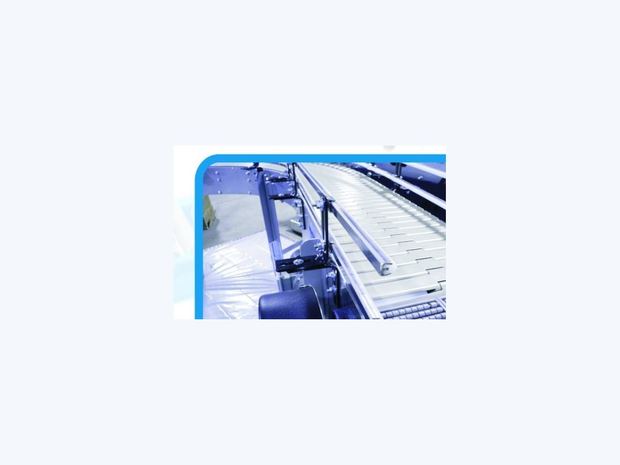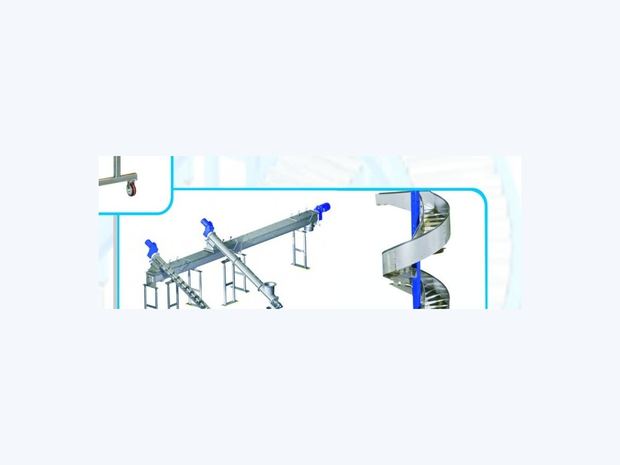
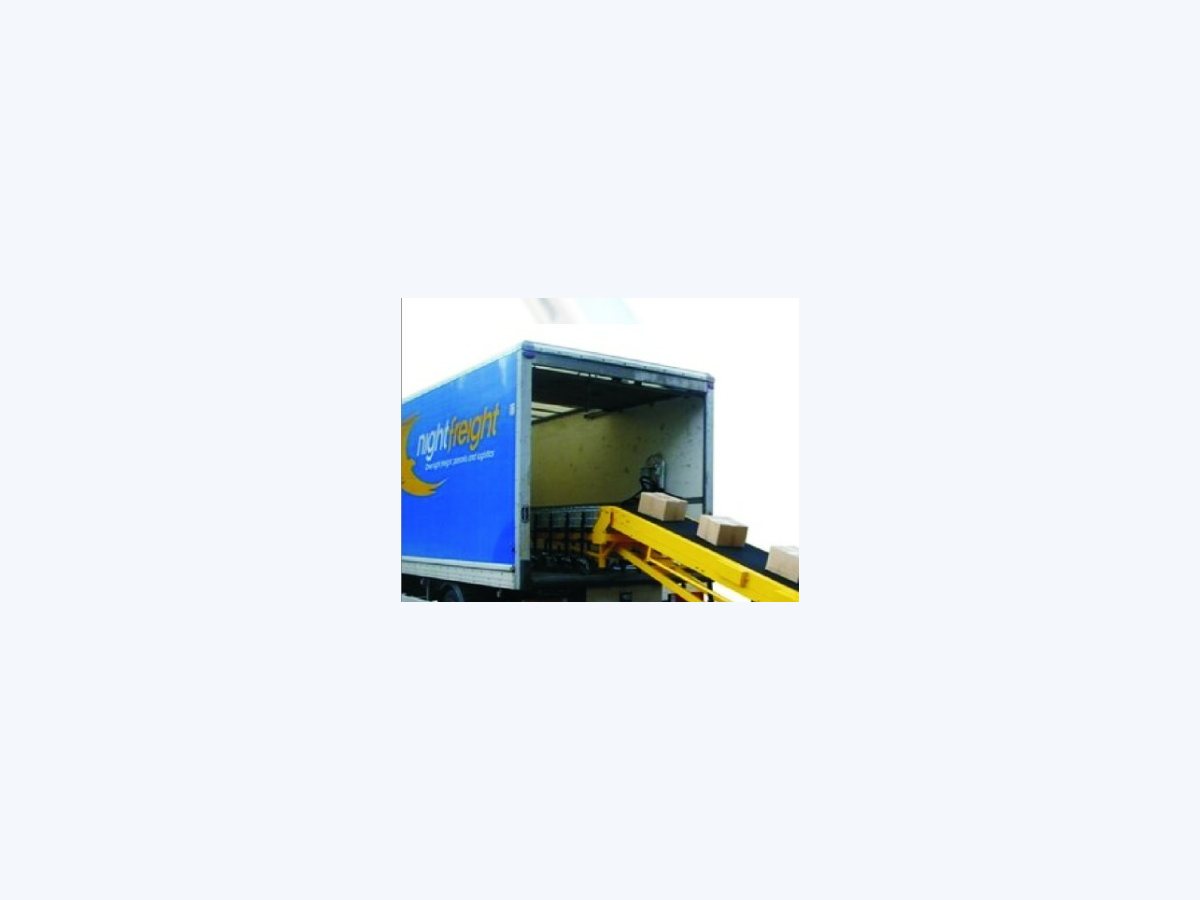
A1 Tech develops this conveyor type for maximum efficiency and the highest levels of safety when loading and unloading trucks, warehouses and mezzanines — through hydraulic lifting from 100 cm to 450 cm of height across a 6 to 8 metre reach.
The problem it solves is simple to describe and expensive in practice. Loading a truck by hand means a human chain passing sacks or cartons, at a tempo that decays through the shift, with injury risk rising every hour. And the waiting truck is itself a cost, owned or hired.
Why hydraulic reach specifically
The 100–450 cm range is not a marketing figure. It is what lets one unit serve a light van, a full-size truck, a warehouse mezzanine, and the different load tiers inside the same trailer. Without hydraulics you need a separate unit per height.
Where it is used
• Loading and unloading bags and cartons between warehouses and trucks, in both directions. • Mills, fertiliser, feed and cement plants — heavy, repetitive sack handling. • Airports and freight companies, where load sizes vary and time is tight.
Practical notes before ordering
1. Measure your actual highest and lowest loading points, not the average — the unit must cover both. 2. Decide whether it stays in place or moves between bays. If it moves, the castor-mounted version with a cleated belt is the one. 3. A cleated belt matters on any incline; without it, sacks slide back. 4. Check manoeuvring room around the bay. The longest unit is not the best one in a tight yard.
The rule that decides it: measure the minutes one truck takes today, multiply by trucks per day, and compare. The number usually justifies the unit on its own.