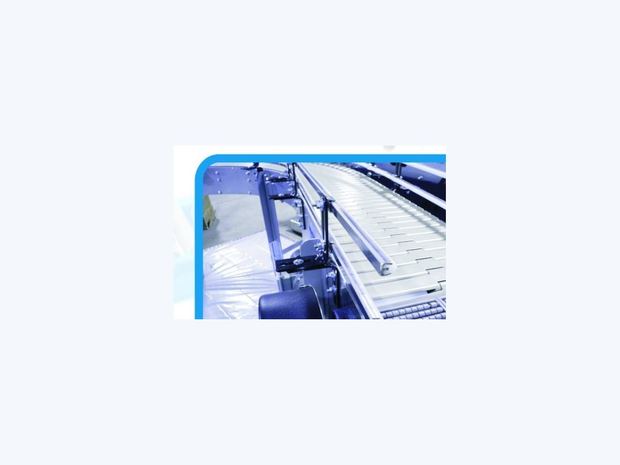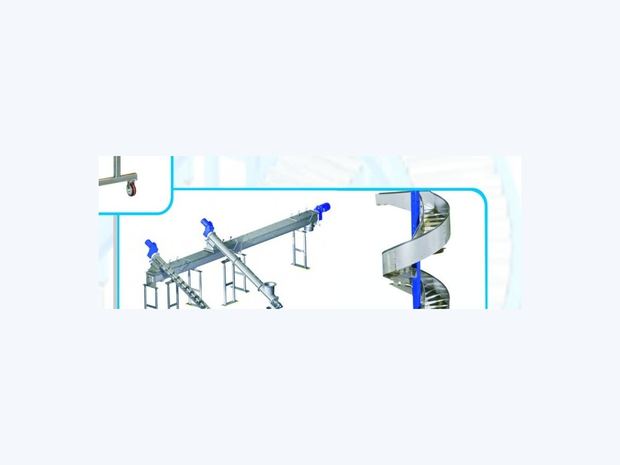
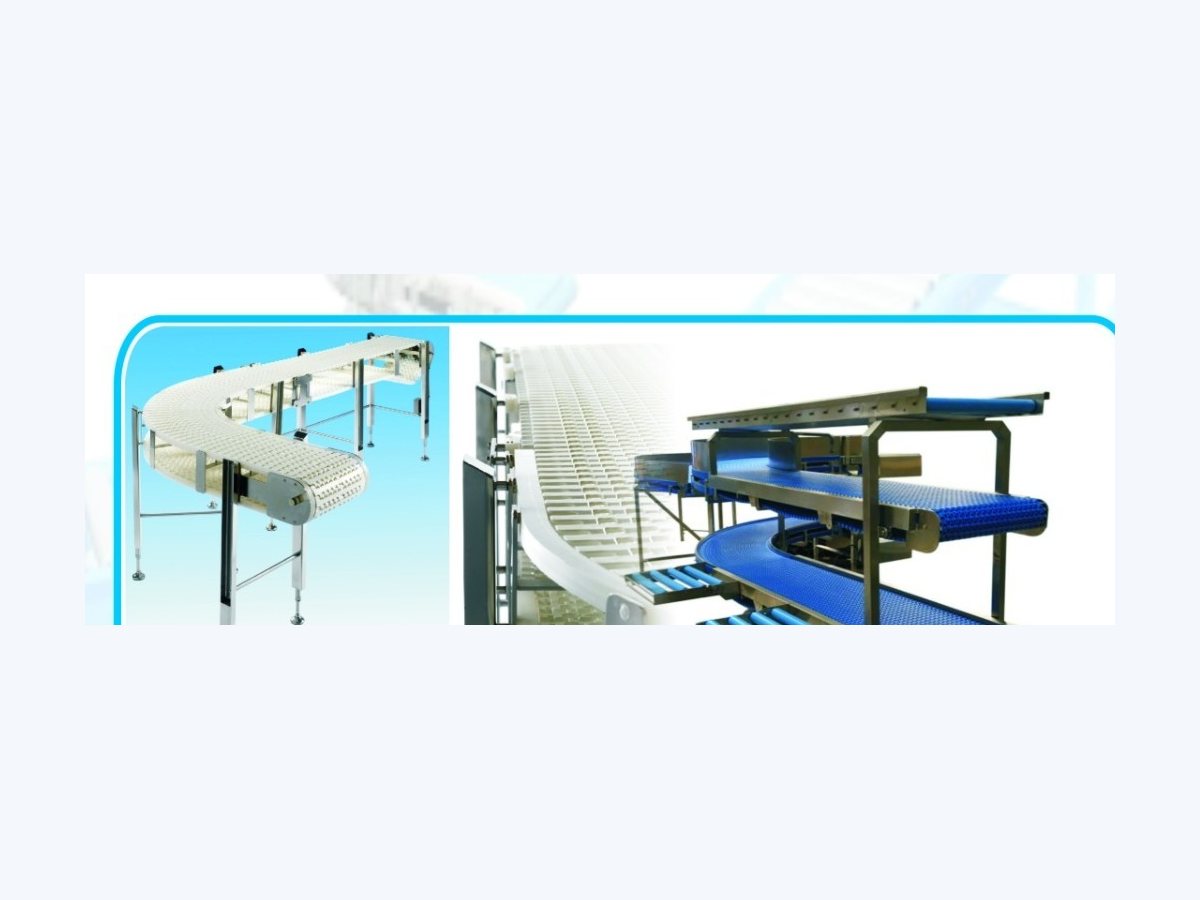
Modular belts are among the best modern handling solutions. They cut periodic maintenance costs and satisfy Food Safety Authority hygiene requirements for products that touch the belt directly.
The essential difference from a conventional belt is that a modular mat is not one piece. It is a field of separate plastic modules interlocked by cross rods. That changes two things completely.
First: partial repair
On a continuous belt, a cut or worn patch in one spot condemns the whole belt — stop the line, strip it out, splice or replace entirely. On a modular mat you pull the rod, lift out the damaged modules, drop in new ones and restart. Downtime measured in hours becomes downtime measured in minutes.
Second: hygiene
An open flush-grid surface lets water and detergent pass through the belt rather than pool on it. That is precisely why modular belts dominate washing, freezing and pasteurisation stages: there are no closed pockets for product residue to collect in.
Picking the right series
Modular belts are not interchangeable; product size decides:
• M3 series, 12.7 mm pitch — small products such as snacks, crisps and cake lines, so nothing drops between modules. • 1" and 2" flush grid — general duty across produce, meat and frozen fish. • OPB, high open area — where large volumes of water or ice must drain fast. • Flat Top 1600, closed surface — small or unstable products that cannot ride an open grid. • M2540 Radius — where the path has to turn, saving a separate conveyor at each corner.
One last point
Sprockets are not a detail. Every series has its own tooth counts, outside diameters and square or round bores. Fitting a sprocket that is merely "close enough" is the fastest way to destroy a new modular belt within months.